Budweiser Puppy Love: The Super Bowl Ad That Made America Weep
Budweiser has spent decades building one of the most emotionally resonant advertising franchises in Super Bowl history around a breed of horse that most Americans will never ride and a product they may or may not drink. The Budweiser Clydesdales, introduced in 1933 to celebrate the end of Prohibition, have appeared in Super Bowl spots that have made grown adults cry in stadiums full of strangers. “Puppy Love,” which aired during Super Bowl XLVIII in February 2014, may be the high point of that entire tradition.
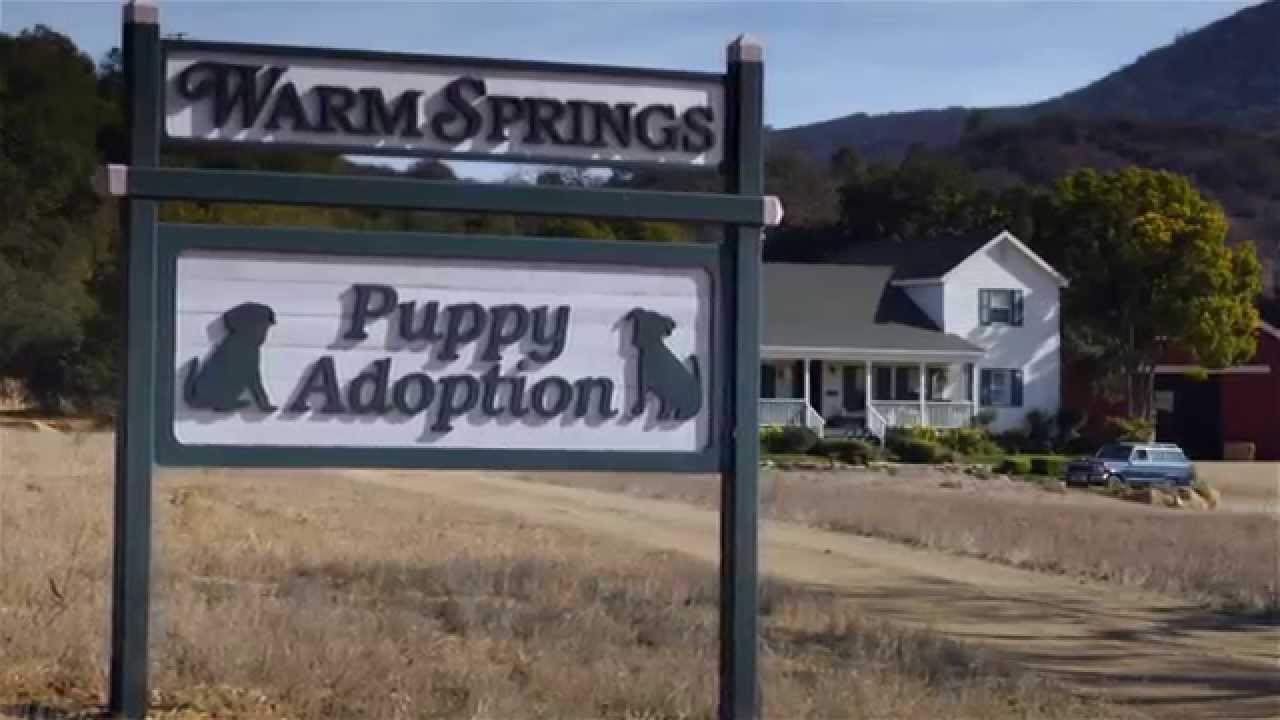
The commercial tells the story of a golden Labrador puppy who keeps escaping his kennel to visit the neighboring Budweiser Clydesdale stables. Each time, he is returned to the puppy adoption farm. When the puppy is finally adopted and driven away, the Clydesdale herd chases the truck and blocks the road, preventing separation. The tagline: “Best Buds.”
It was the most watched video on YouTube the week it aired. It was named by USA Today’s Ad Meter as the best Super Bowl commercial of the year. And it generated one of the most emotional consumer responses to any advertisement in recent history.
Anomaly’s Approach
Anomaly, the New York-founded agency that created “Puppy Love,” had taken over Budweiser’s Super Bowl creative from longtime agency DDB the year before. The brief was to continue the Clydesdale tradition — one of the most beloved recurring elements of Super Bowl advertising — while introducing a new element that would give the familiar horses a fresh emotional context.
The addition of the puppy was the central creative decision. Dogs and horses are among the most emotionally charged animals in American popular culture, and the friendship between them — one tiny and new, the other enormous and established — had an inherent visual poetry. Director Jake Scott (son of Ridley Scott) shot the animals at a real farm in Vancouver with the patience and care of a nature documentary filmmaker, allowing the chemistry between the specific puppy and specific horses to develop organically.
The soundtrack was a version of “Let Her Go” by Passenger, a song about loss and longing that gave the film its bittersweet emotional undercurrent even as the narrative resolved happily.
The Craft of Animal Advertising
Advertising with animals carries significant risk. The charming can become saccharine, the emotional can become manipulative, and the logistical challenges of filming animals reliably are enormous. “Puppy Love” avoided these traps through directorial patience and genuine emotional restraint.
The film never overexplains. It doesn’t use voiceover to tell us what we’re supposed to feel. It simply shows the friendship — a series of scenes of the puppy and the Clydesdales together, the puppy running toward the horses, the horses nuzzling and protecting the small dog — and trusts the audience to respond.
The Clydesdale that plays the lead role in “Puppy Love” was trained to interact with the specific puppy used in the film, and the resulting footage had a naturalness that staged performances rarely achieve. The closing image — the herd of enormous horses blocking the road to keep the puppy from being driven away — was genuinely unrehearsed in several takes, which gave it the quality of something discovered rather than orchestrated.
The Response
“Puppy Love” generated an emotional response that, by social media metrics, dwarfed most other Super Bowl advertising in 2014. The YouTube upload exceeded 50 million views. Social media sentiment analysis found it to be the most positively discussed commercial of the game.
More significantly, it continued to be shared and watched months after the Super Bowl, generating longevity unusual in advertising. People sent it to friends who were sad. It was used in gift compilations and year-end “good things” roundups. It had escaped the advertising category entirely and become a piece of content people watched for their own emotional reasons.
Budweiser and the Clydesdale Legacy
The Clydesdales were introduced by August Anheuser Busch Jr. as a gift to his father on the day Prohibition ended in 1933. They have appeared in Super Bowl commercials since 1986, and have become so associated with Budweiser that consumer research consistently shows they increase brand purchase intent even among people who don’t drink beer.
The Clydesdale spots work because they don’t advertise beer. They advertise the emotional territory that Budweiser wants to occupy: Americana, loyalty, warmth, the bonds between friends. The beer is almost incidental. What’s being sold is a feeling about the brand that the consumer brings to every purchase encounter.
“Puppy Love” was the culmination of that strategy — a film so purely emotional, so perfectly constructed, that it had almost no informational content whatsoever, and didn’t need any.
Client: Budweiser / Anheuser-Busch Agency: Anomaly Director: Jake Scott Year: 2014 Super Bowl XLVIII